
- 2 mins

Discover how early intervention in vestibular rehabilitation can significantly enhance recovery and improve quality of life for patients with various neurological conditions.
The Role of Vestibular Rehab in Neurological Health
Vestibular rehabilitation plays a pivotal role in the management of various neurological conditions. The vestibular system, which governs balance and spatial orientation, is often affected in conditions such as Alzheimer's disease, Parkinson's disease, concussions, strokes, and multiple sclerosis. Addressing vestibular dysfunction early on can significantly accelerate recovery and improve patients' quality of life.
By focusing on the underlying vestibular elements, healthcare providers can offer more comprehensive and effective treatment plans. This holistic approach not only targets the primary symptoms but also mitigates secondary issues like dizziness, imbalance, and cognitive decline.
Impact on Common Neurodegenerative Diseases
Neurodegenerative diseases such as Alzheimer's and Parkinson's have profound impacts on patients' lives. In Alzheimer's disease (AD), the vestibular system's role in spatial orientation and memory is crucial. Early vestibular interventions can help preserve cognitive functions and slow down hippocampal atrophy, offering patients a better quality of life for a longer period.
For Parkinson's disease (PD) patients, while motor dysfunction is the primary concern, vestibular deficits contribute significantly to balance problems and fall risks. Early intervention with vestibular therapy can enhance mobility, reduce the risk of falls, and improve overall wellbeing.
Addressing Acute Neurological Conditions
Acute neurological conditions, such as concussions and strokes, frequently present vestibular symptoms that can hinder recovery. Concussions often lead to dizziness and balance issues. Research shows that delaying vestibular therapy by just one day can extend the time it takes for patients to return to their normal activities by the same amount. Early intervention is thus critical for a swift recovery.
Posterior circulation strokes often result in vestibular symptoms that impair gait and balance. Implementing vestibular rehabilitation early can significantly enhance recovery outcomes, helping patients regain their independence more quickly.
Benefits of Early Vestibular Intervention
Early intervention in vestibular rehabilitation offers numerous benefits that can vastly improve patient outcomes. Prompt initiation of therapy can shorten the overall recovery time, as evidenced by faster return-to-sport timelines for concussion patients.
For conditions like Parkinson's disease and stroke, early vestibular treatment can reduce fall risks and help patients regain balance more quickly. In Alzheimer's disease, addressing vestibular issues early can help maintain cognitive functions related to spatial orientation and memory.
Early intervention also leads to better symptom management for dizziness and vertigo across various neurological conditions, enabling patients to maintain their independence longer and enjoy an improved quality of life.
Innovative Techniques in Vestibular Rehabilitation
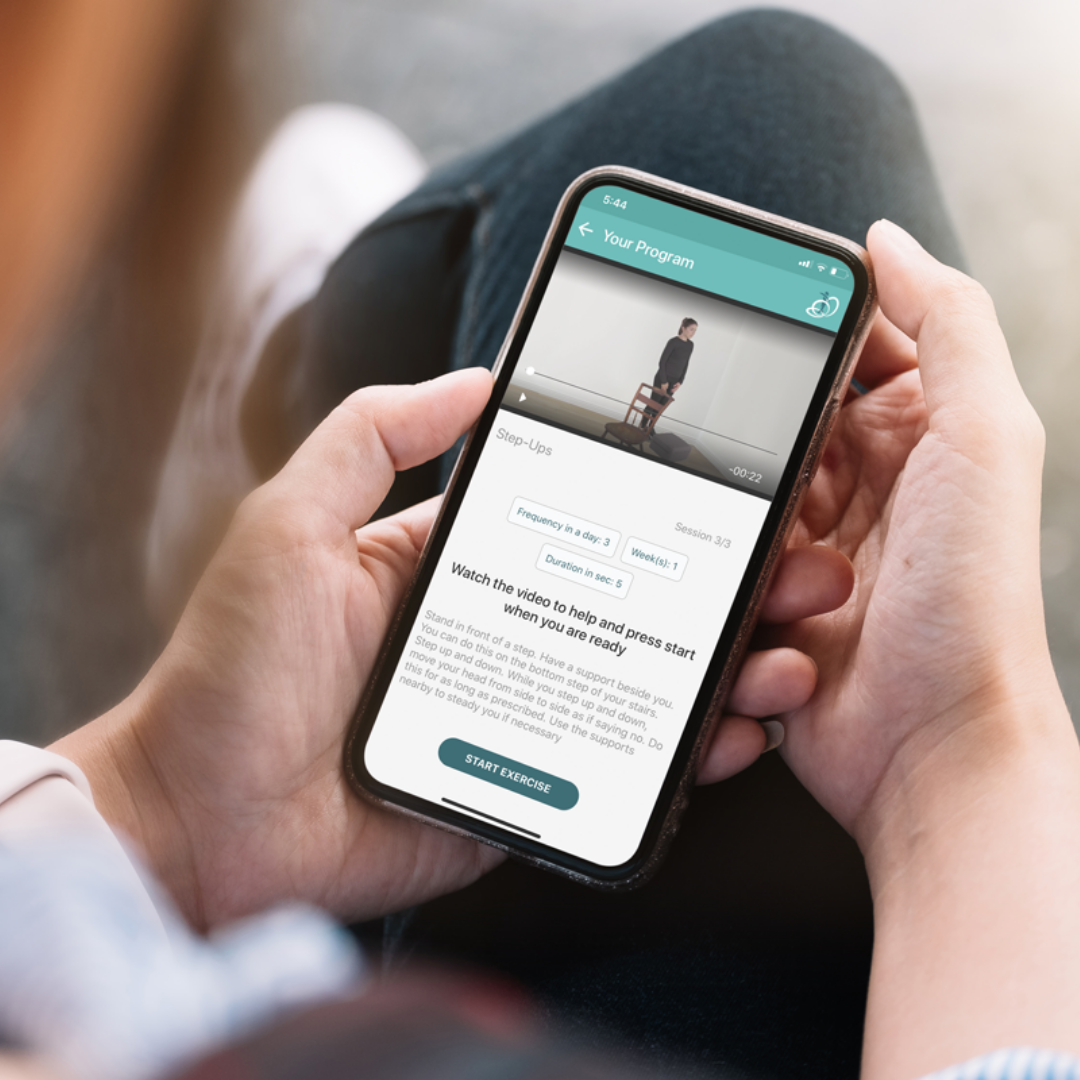
Innovative approaches in vestibular rehabilitation are transforming the landscape of patient care. Companies like Vertigenius are at the forefront, pioneering advanced techniques that focus on early intervention to maximize recovery potential.
Customized rehabilitation programs tailored to each patient's specific vestibular deficits ensure that therapy is both effective and efficient. These advanced methods leverage the latest technologies to provide real-time feedback and personalized treatment plans, enhancing the overall efficacy of vestibular rehabilitation.